

Tampa Trike Awarded U.S. Patent for Half Crucible Dry Hearth Melter Aluminum Casting Furnace
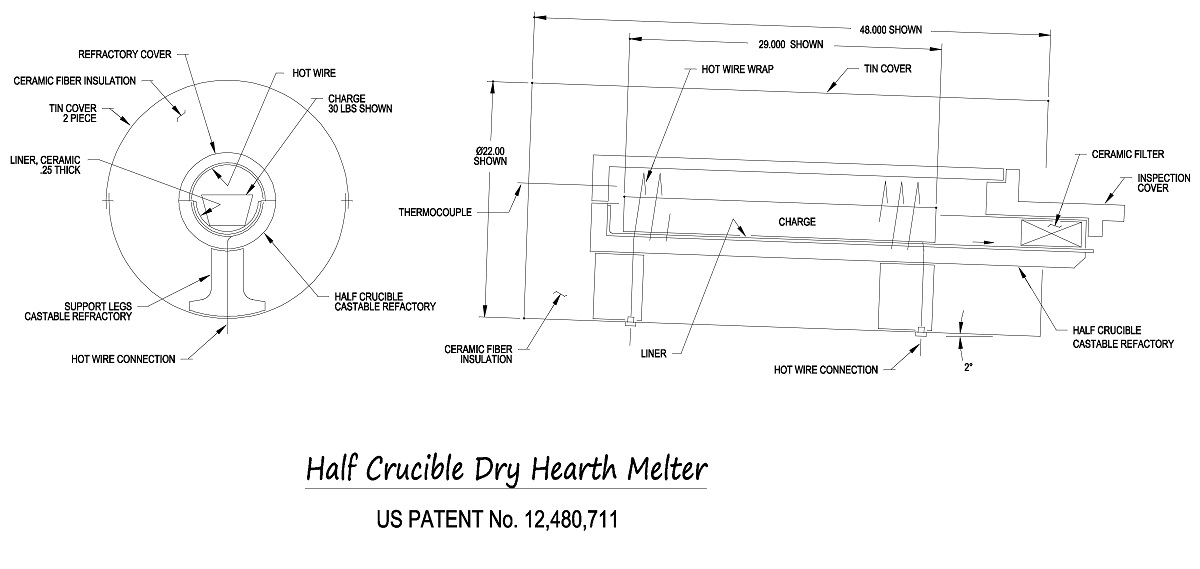
New electric furnace design intended to produce cleaner Aluminum Melt
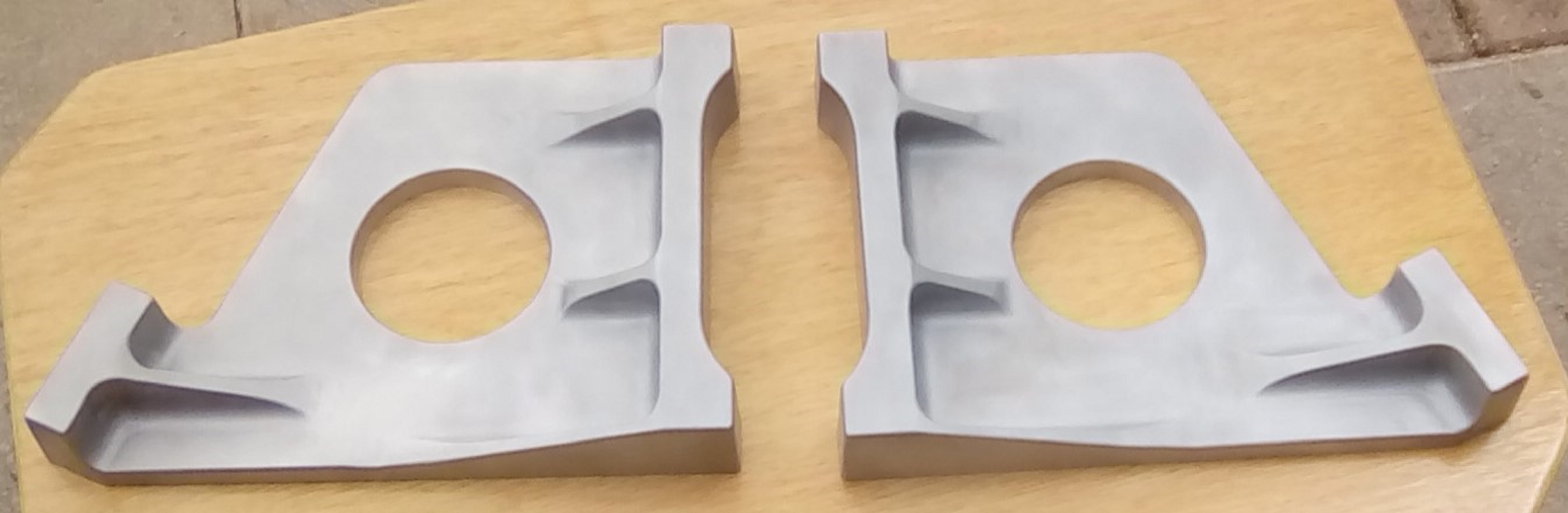
Manually Machined Pattern, then ordered a 3D printer
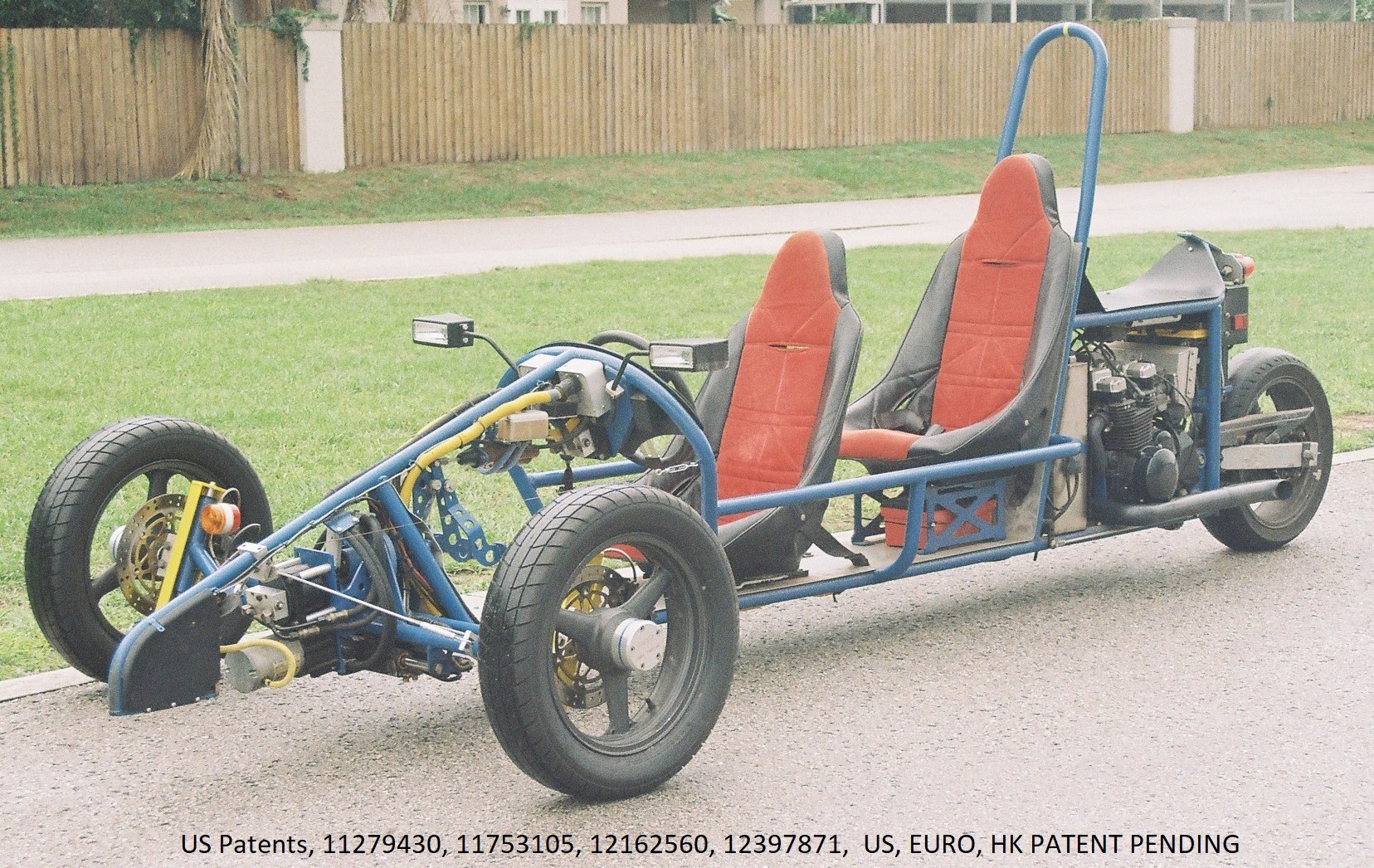
Three wheel motor vehicle. Two wheels in front. Drives like a car, leans like a sport bike.
Patent No. 12,480,711 covers a new electric furnace design intended to produce cleaner aluminum castings for automotive and industrial applications
The patent, granted to inventor Eric Rea of Seffner, Florida, covers a furnace design that incorporates a half-crucible chamber combined with exposed and embedded electric heating elements. The system is engineered to prevent aluminum oxide skin from contaminating the molten metal during the melt process — a primary cause of casting defects in traditional furnace designs.
How the Furnace Works
The Half Crucible Dry Hearth Melter operates by keeping the aluminum charge on a slight angle within a half-crucible trough, while a heated wire element creates a enclosed chamber around the charge. Top-applied heat prevents new oxide skin from forming during the melt. The result is a clean melt that does not require secondary processing prior to pouring.
The design is based on casting principles developed by Professor John Campbell OBE, whose research identifies clean, oxide-free melt as foundational to producing structurally sound castings. Operating temperatures reach approximately 1,400 degrees Fahrenheit.
Applications Beyond Automotive
While Tampa Trike developed the furnace to produce aluminum components for its own leaning three-wheel vehicle, the company states the technology is applicable to a broad range of casting operations. Near-net-shape casting — producing parts close to their final dimensions — reduces the volume of material machined away, lowering both material waste and machining time compared to cutting parts from solid aluminum stock.
"We develop the design to use inexpensive materials that are readily available. We see no need to make things unnecessarily complicated," said Eric Rea, inventor and founder of Tampa Trike.
The furnace's electric dry hearth configuration is also suited for small foundry operations. Primary startup equipment beyond the furnace includes a 3D printer for pattern production, a bandsaw, and a mixer for sand-clay mold material.
3D Printing Integration
Tampa Trike's casting process uses 3D-printed patterns, allowing part geometry to be modified iteratively without tooling costs. Rejected castings and gating material — sprues, runners, and spin traps — can be re melted in subsequent batches, reducing raw material waste.
Licensing
Information on licensing availability for Tampa Trike's patented technologies is accessible at tampatrike.com/patent.
About Tampa Trike
Tampa Trike is a vehicle development company based in Seffner, Florida, focused on the design and manufacture of leaning three-wheel vehicles. The company holds multiple U.S. patents covering vehicle chassis geometry and manufacturing processes. Additional information is available at tampatrike.com.
eric rea
Tampa Trike, LLC
eric@tampatrike.com
Trans-portation
Legal Disclaimer:
EIN Presswire provides this news content "as is" without warranty of any kind. We do not accept any responsibility or liability for the accuracy, content, images, videos, licenses, completeness, legality, or reliability of the information contained in this article. If you have any complaints or copyright issues related to this article, kindly contact the author above.
